
Even before entering the workforce, students in the RECF programs are designing and building robots, flying drones, testing ideas under pressure, learning from failure, and competing in robotics and drone competitions across the country and around the world.
Every week, I watch students do the kind of work that companies are anxiously looking for: coding, troubleshooting, adapting, communicating, leading, and thinking creatively. That is why I believe these programs are one of the best ways to prepare students for a range of STEM careers.
At the Robotics Education & Competition Foundation (RECF), we support one of the world’s largest student robotics and drone communities. Through our programs, students gain hands-on experience in engineering, coding, automation, aviation, documentation, teamwork, and leadership. More importantly, they learn how to think like problem-solvers.
That matters because the workforce is changing faster than traditional education and training systems can often respond. Employers need people who can do more than understand technology. They need people who are prepared to work across disciplines, adapt to new tools, communicate clearly, and solve complex challenges.
These are the skills students develop through competitive robotics and drone education.
One of the best things we can do for students is help them see where STEM education can lead them, both in school and in their future careers.
A student who programs a robot may begin to imagine a future in software engineering, advanced manufacturing, automation, or artificial intelligence. A student who pilots a drone may begin to understand career opportunities in aviation, infrastructure inspection, agriculture, energy, or defense.
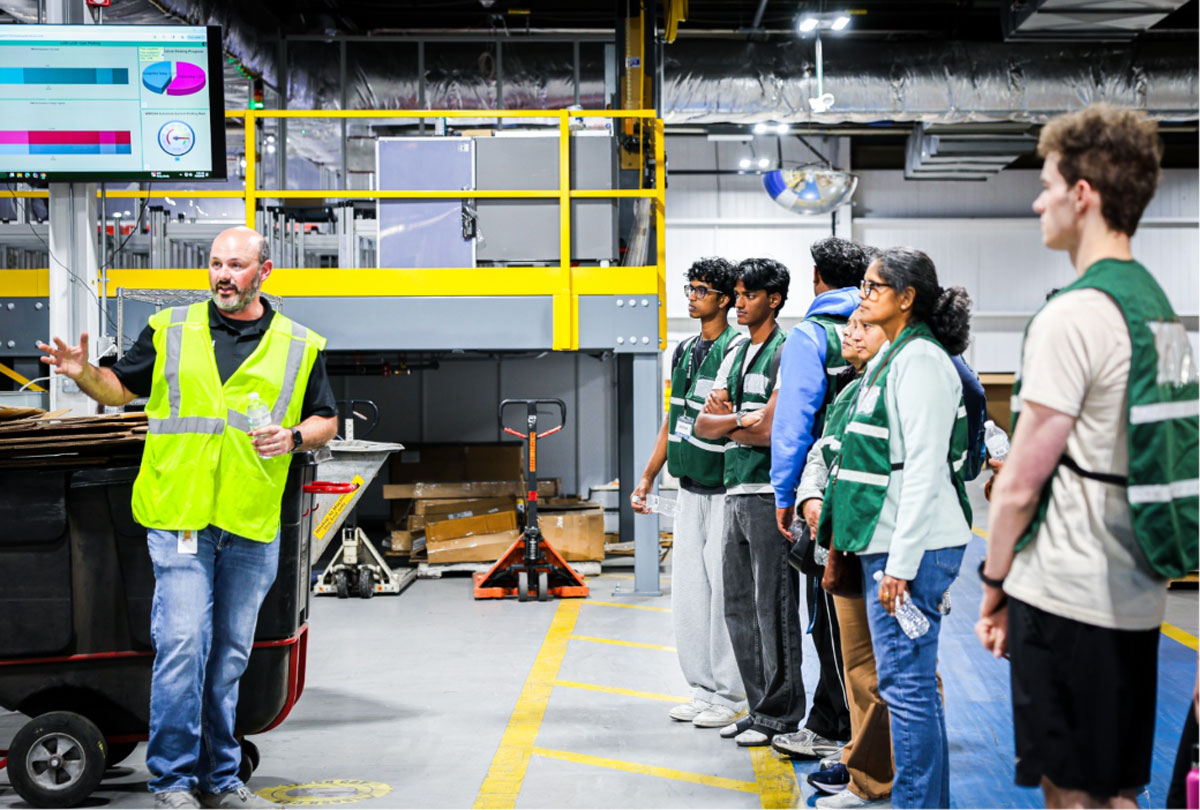
That is why industry collaborations matter. Recently, through our partnership with Eaton, students visited the company’s Experience Center in St. Louis. They saw power management in action across utility, residential, and industrial environments. From power quality to safety, they learned how real-world systems shape the way we live and work.
Experiences like these help students make connections. STEM education isn’t just about textbooks, labs, or competitions. It’s found in the systems that power our homes, keep communities safe, create new products, support hospitals, strengthen infrastructure, and drive future industries.
In business, innovation often gets the spotlight. But teamwork is what makes innovation possible.
The same is true in robotics. A successful team is rarely built around one student doing everything. One student may lead programming. Another may focus on mechanical design, manage strategy, documentation, or present to judges. Together, they learn how to communicate, divide responsibilities, make decisions, and adjust under pressure.
This is what is expected in today’s workplaces.
The most productive work happens across teams, technologies, and disciplines. Robotics competitions create that environment early. Students learn that a great idea still needs execution. They learn that technical skills matter, but communication can determine whether a team succeeds. Our students understand that leadership is often about listening, encouraging others, and helping the team improve. This is why many of RECF students are recruited by the world’s most innovative companies.
Drone technology is creating new and exciting opportunities for students and is becoming an essential tool across industries, including construction, emergency response, transportation, environmental monitoring, and public safety. As the industry grows, students need earlier access to the skills and career pathways connected to aviation, autonomous systems, and advanced technology.
That is why the RECF’s Aerial Drone Competition has become such an important part of our mission.
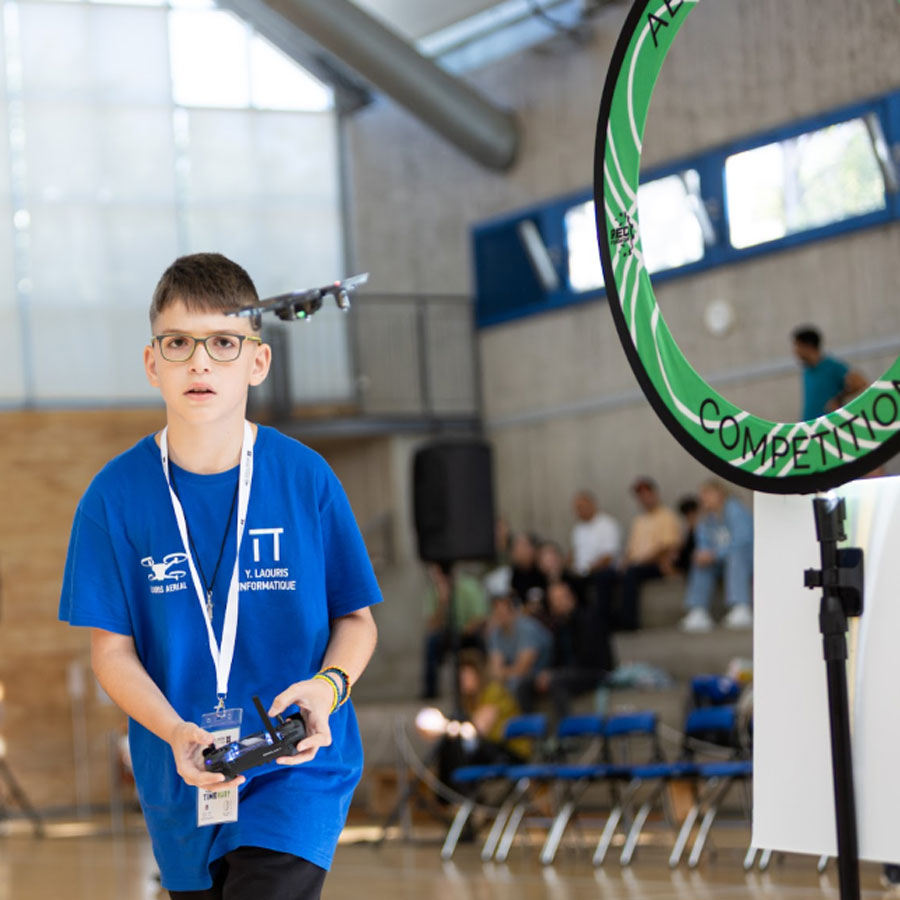
This program gives middle and high school students real experience with drone technology, flight basics, programming, documentation, communication, and teamwork. The fast growth of the Aerial Drone Competition shows that more students are interested in drone technology and hands-on STEM learning. In 2020, there were only 191 teams. Now, more than 3,000 teams compete worldwide.
That growth tells us something important: students are ready for this.
We are now building on this momentum with Aerial Drone Competition PRO, our newest program designed to give students a more advanced competition experience. This dynamic program introduces mechanical design, 3D printing, advanced programming, and coordinated missions involving multiple drone vehicles and a land vehicle.
The new game, Off Grid, pushes students to think beyond just one task or machine. They have to coordinate systems, plan strategies, and take on different roles in a fast-changing environment while having fun. This is the kind of experience students need for a future shaped by automation, aviation, robotics, and new technologies.
We won’t build the future workforce just by raising awareness. It will happen when more students get hands-on, engaging, and career-focused STEM experiences before they choose a college major, training program, military path, or career.
Robotics and drone competitions help students discover what they are capable of and help educators bring STEM education to life. They help companies connect with future talent earlier. In these hands-on learning environments, students from elementary through college-aged develop the confidence to see themselves as engineers, programmers, pilots, technicians, innovators, and leaders.
It’s our collective responsibility to invest and support education and competition programs, and make sure more students have the opportunity to build, fly, compete, and discover where robotics and drones can take them.