
In this edition:
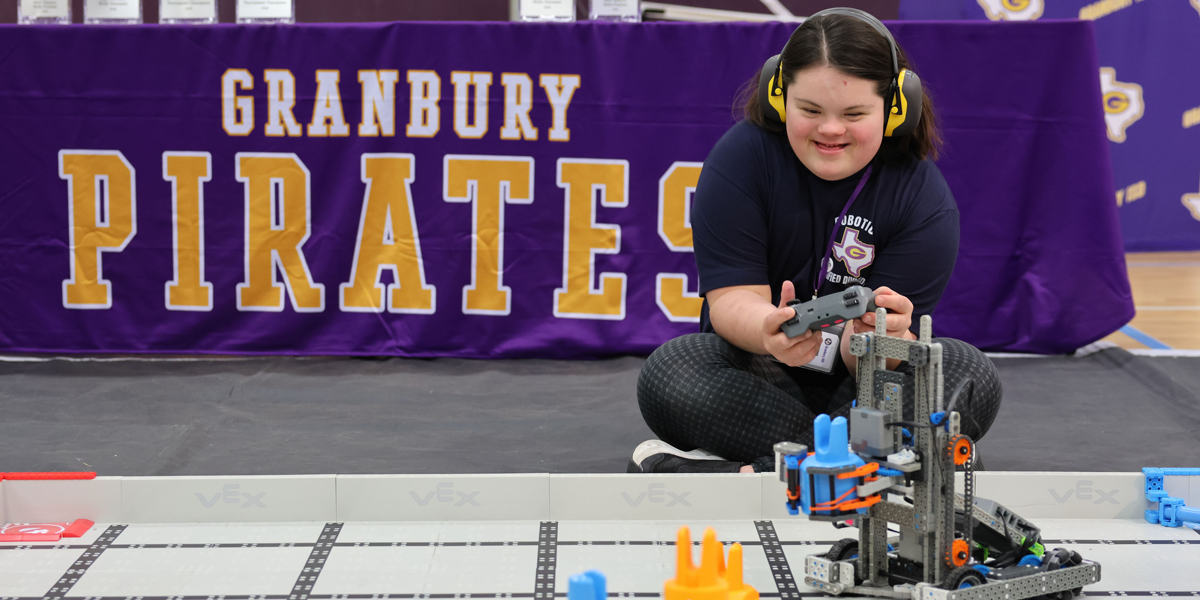
Recently, the Wylie Robotics team brought together students from Wylie East Junior High and Wylie West Junior High to host the Special Olympics Unified Robotics Competition. Supported by the RECF, the tournament featured both VEX IQ Robotics Competition fields for junior high teams and a full VEX V5 Robotics Competition field—the same level used by high school and university competitors.
As a Unified event, teams are intentionally designed with equal numbers of Special Olympics athletes and student partners for all participants to rotate roles and have a memorable robotics experience.

An RECF partner, the National Science Foundation’s Human Augmentation via Dexterity Engineering Research Center (HAND ERC) is advancing breakthrough research where robotics, technology, and education converge to drive real-world impact across critical sectors. HAND ERC is a National Science Foundation funded Engineering Research Center focused on tackling one of the most pressing challenges facing our future workforce: robotic dexterity.
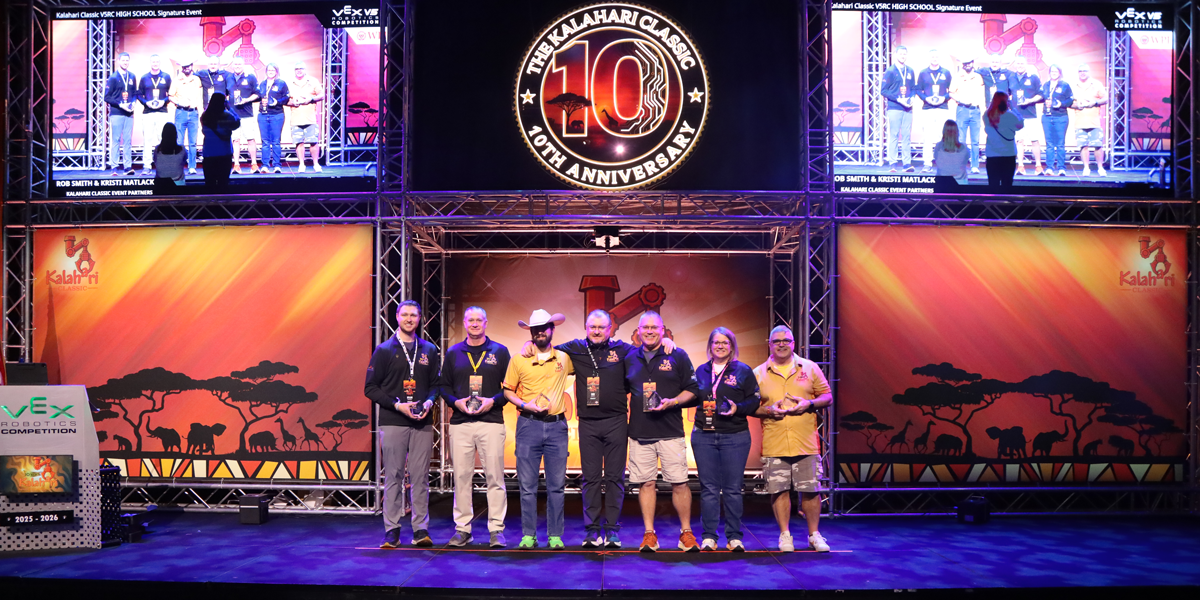
More than 2,100 elementary, middle, and high school students from across Ohio, the United States, and the world gathered at Kalahari Resorts & Conventions for the 10th annual Kalahari Classic Signature Event, presented by the Robotics Education & Competition Foundation (RECF).
Held January 19–26, the weeklong competition marked Ohio’s largest multi-day robotics event, bringing together 525 teams for an immersive, high-energy experience. The Kalahari Classic welcomed students from elementary through high school, including Army JROTC members who competed as part of their National Championship.
The RECF provides industry certifications for students in engineering-related programs and robotics clubs. These certifications were designed by a team of accomplished professionals composed of engineers, college professors, and high school teachers. The RECF Certifications Program is a response to a global need for more students in the science, technology, engineering, and mathematics (STEM) fields.
Industry-recognized certifications in pre-engineering and robotics validate students’ understanding of critical technical skills, setting them apart from their peers as more prepared and capable in today’s workforce.
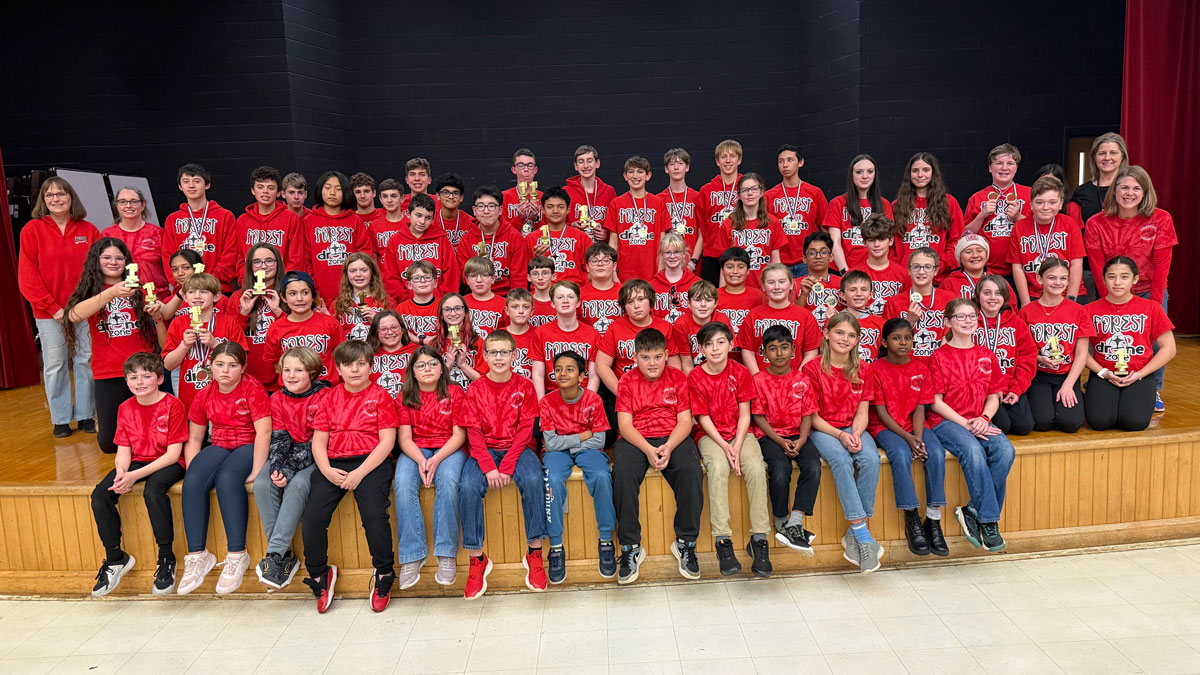
In Forest, Virginia, opportunity is taking flight inside Forest Middle School. At the center of it all is Cindy Watson, a dedicated educator and coach who is redefining what STEM education can look like through the Aerial Drone Competition.
Cindy intentionally connects drone skills to real careers. Students learn that drone careers don’t require a single path, from certifications and associate degrees to bachelor’s programs, such as those offered nearby at Liberty University. What sets the Aerial Drone Competition apart, Cindy says, is its inclusivity. “There’s a role for everyone.”
Don’t miss your team’s chance to participate in Cycle 2 and Cycle 3 of the RECF Online Challenges for VEX Robotics teams! These challenges encourage students to think beyond building and driving a robot. Online Challenges help students develop critical skills such as communication, research, design, writing, and teamwork — all of which prepare students for success in college, careers, and life. The submission deadline for most of the Cycle 2 and Cycle 3 RECF Online Challenges for VEX Robotics teams is February 18, 2026.
With technology developing faster than ever, there’s a skills gap that companies around the world are looking to fill. Introducing the new generation of digital programmers, honing their skills at the Highlander Summit Signature Event High School VEX V5 Robotics Competition in New Jersey, United States. What can this new generation bring to industries looking to innovate?
Hear more about current highlights of RECF programs and participants. See some of the most recent stories about our teams, events, and partnerships here: