
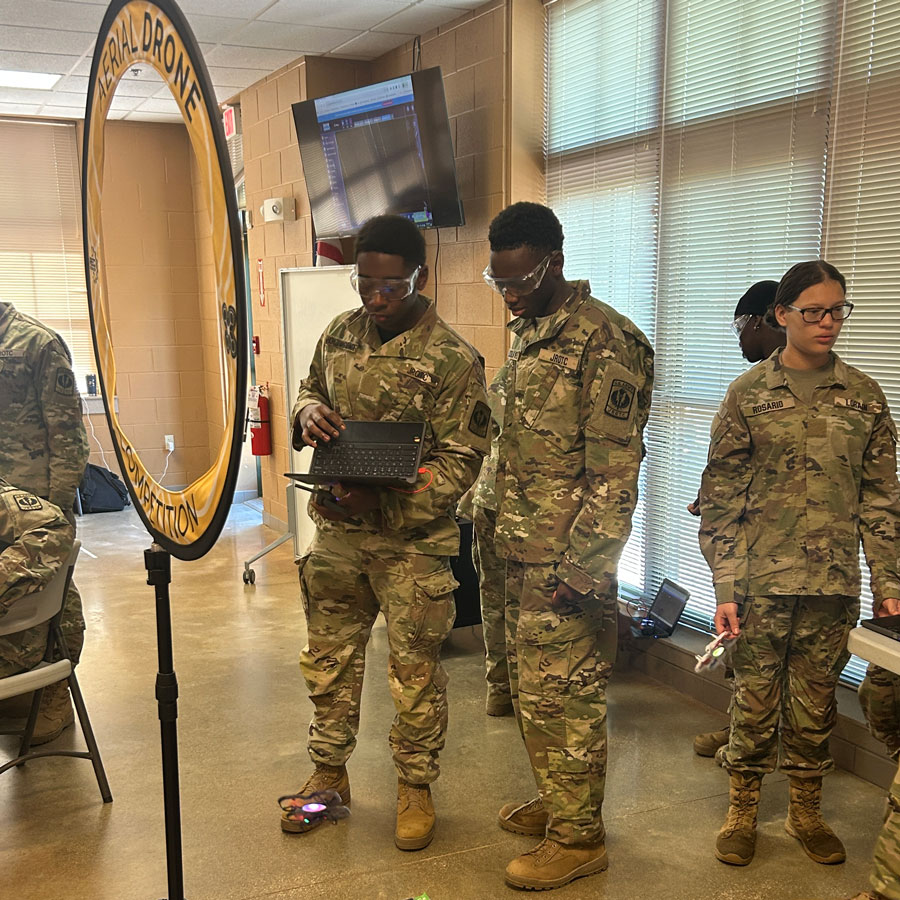
When a drone first arrived from Cadet Command’s 7th Brigade at Fort Knox, Lieutenant Colonel (LTC) Odell Graves was not immediately sure how it was intended to be used. After learning they would be used for a student drone initiative, the JROTC instructor connected with the Robotics Education & Competition Foundation (RECF) and entered the program’s first Aerial Drone Competition in West Virginia with four students and very little experience.
The team soon realized there was a lot they didn’t know. After a tough first competition, they knew they had to go back and learn the basics of coding and piloting.
Their first competition took place in December 2022. Since then, the group has grown from four students into a full club with three drone teams using Robolink’s CoDrone EDU, a drone designed specifically for educational purposes, and this program is reaching even more students in the area each year.
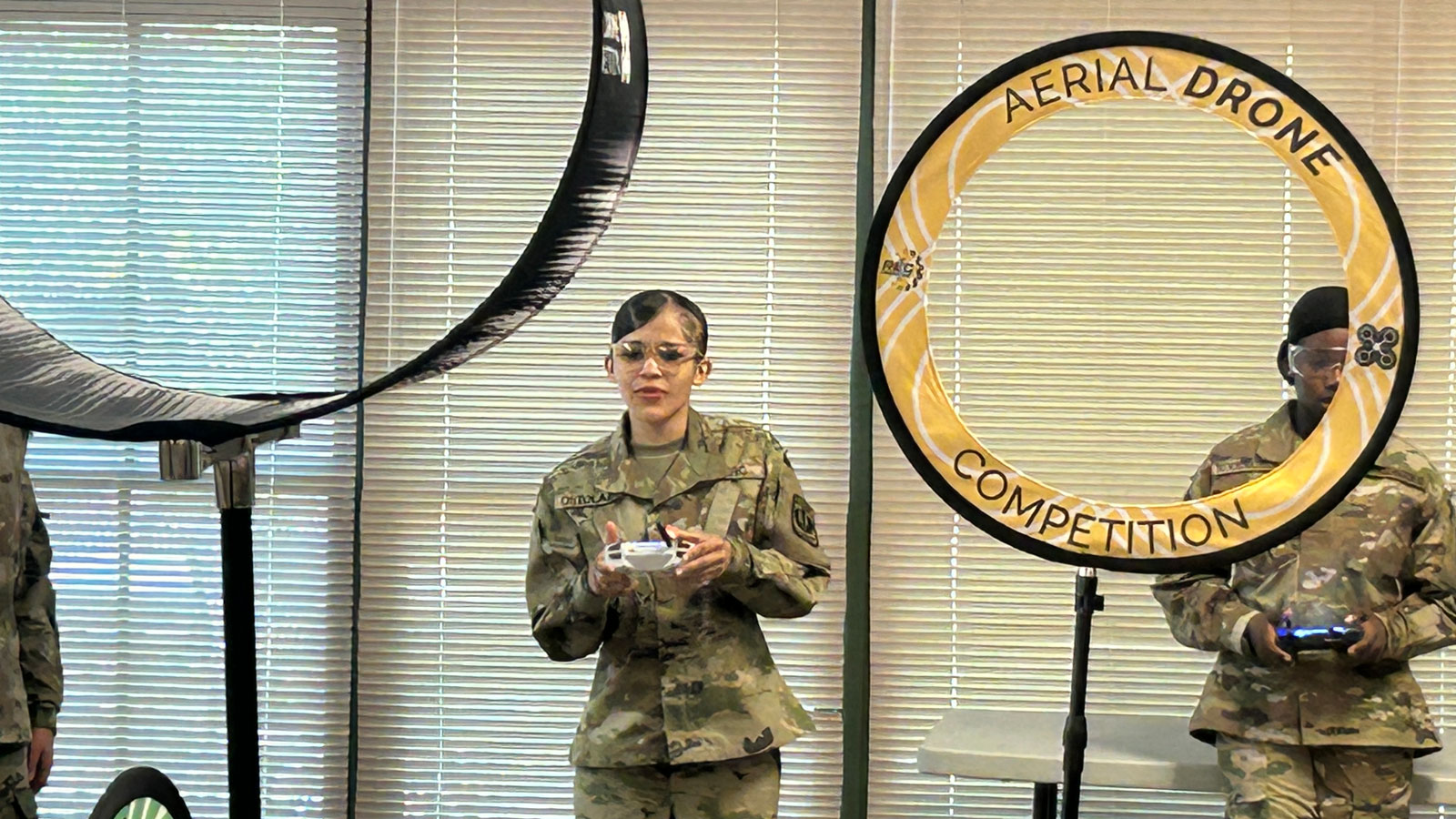
LTC. Graves was recently awarded the Event Partner of the Year, a recognition that reflects both the program’s growth and the commitment required to run successful drone competitions while leading a JROTC program.
LTC. Graves says the formula is simple, but not easy: it takes time, support, trial and error, and strong volunteers. “Every event we do, I think we’re getting better each time,” he said.
That has included adapting to new systems, solving problems in real time, and learning from each competition. Ongoing communication with the RECF support team helps ensure each event runs smoothly.
The impact now extends beyond the school year.
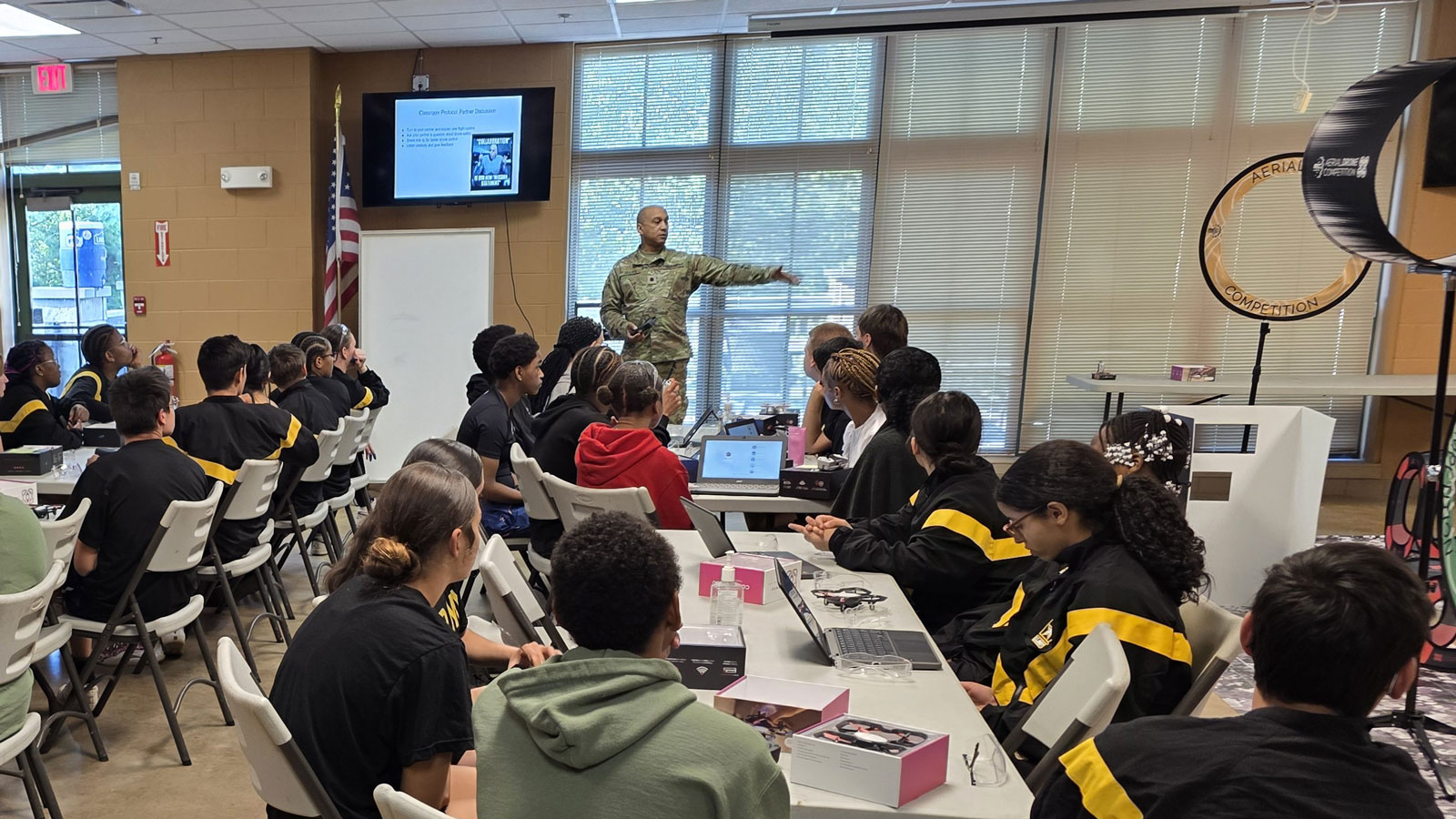
For the past two summers, LTC. Graves has led the STEM component of an annual JROTC summer training program for cadets from across Ohio. With only a few hours to teach, drones turned out to be the perfect tool.
“We can teach them the dynamics of flight and the basics of coding,” LTC. Graves said. “With block code, it’s pretty simple.”
This year, 230 cadets took part in the three-day summer program. Last year, more than 200 participated, bringing the total to approximately 450 regional cadets who have gained hands-on drone experience through the program. Thanks to LTC. Graves and his students’ dedication, more local students are being introduced to drones, and interest in the program continues to grow.
Students get to try flying through skill challenges and coding activities. Many are most excited about flying, but this experience often leads to a bigger interest in technology. “The students love it,” LTC. Graves said.
Beyond coding and flight skills, LTC. Graves has seen drones strengthen something just as important: confidence. Students practice interviews, work as a team, and build the courage to try something new. For some, it is their first time working in a collaborative environment.
One student started out using block-based code, and after helping train others over the summer, she decided to learn Python. Even during summer break, she keeps coming to school to keep learning. “She just came in for two hours,” LTC. Graves said. “That will likely spark her to further her education in this area after high school.”
That connection to the future is already visible. Two graduating students are pursuing degrees connected to engineering and technology. One is headed to Kettering University with an interest in aviation and mechanical engineering. Another student plans to study coding.
Through field trips to programs such as Sinclair Community College’s UAS program and future goals like helping students earn their Part 107 license, cadets are gaining exposure to career pathways in aviation, engineering, coding, and emerging drone industries.
LTC. Graves’ advice to other coaches considering the Aerial Drone Competition is straightforward: go for it, secure the funding, and make it happen.
Community support often grows when people see opportunities for themselves, especially in places where learning opportunities exist and access to STEM education can change lives. His advice to students is just as clear: step outside your comfort zone. You might find strengths and skills you didn’t know you had.
In this program, drones are more than just a competition. They help students build confidence, try new things, and get early experience with skills that could shape their future.
LTC. Graves believes drones are an important part of the future of education and lifelong learning. Giving students a chance to work with drones early can change lives.