
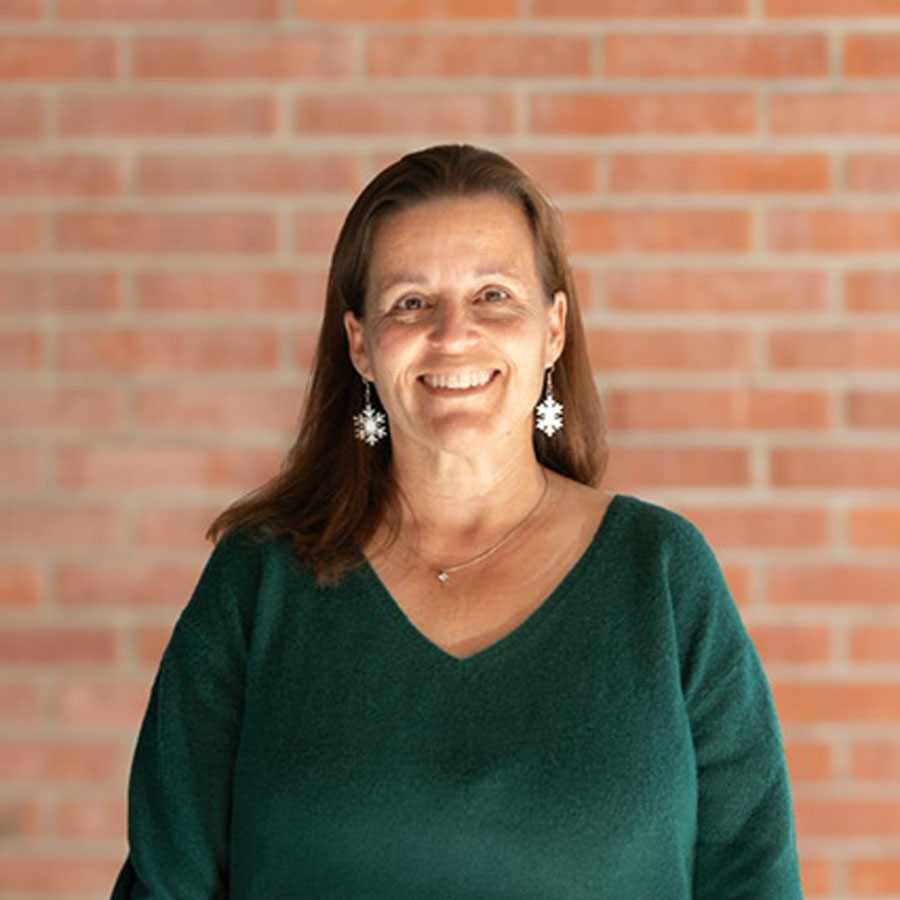
When educator and drone coach, Sarah Hillard first registered a team for the Robotics Education & Competition Foundation’s (RECF) Aerial Drone Competition, she admits they did not fully know what they were getting into.
The first year was small. Only a few teams joined, learning the rules, the course, and how to work together. Still, students were excited right away, and the program kept growing.
By the second year, the City of San Diego Parks and Recreation helped host several competitions. Last year, the momentum continued, with even more competitions and a regional event. Many of the original teams are still going strong, and new teams have joined along the way.
At Sarah’s school, the program grew from just a few teams to seven competitive teams. Last season, one team finished ninth at regionals, and students from many backgrounds have found their place in the program.
“We like to consider ourselves a drone dynasty,” Sarah said. “That’s what our local TV station, KPBS, called us.”
Sarah believes one of the best parts of the Aerial Drone Competition is that all students compete on an equal playing field. Since every team uses the same Robolink drone, winning isn’t about spending the most money or having the fanciest equipment.
Instead, it’s about preparation, practice, teamwork, and effort. “They recognize that the more effort you put in, the better you do,” Sarah said.
This is important at a school with limited funding, where it’s hard to find opportunities outside of regular classes. Students can clearly see how their hard work leads to real results.
The drone team has also helped students discover strengths they didn’t know they had. Sarah remembers a student who wanted to be a barber. She supported his goal, but also encouraged him to see how drone skills could help him promote a business, check out a storefront, or make social media content.
After two years in the drone program, his plans changed. He became the go-to person for fixing drones. He didn’t fly in competitions, but he repaired equipment, solved problems, and even fixed drones for the City of San Diego. By the end of the season, he wanted to be a mechanic.
Other students have found their own roles. Some help with production, some organize the team, and others manage logbooks, get ready for interviews, or keep everyone focused during trips. For several students, their first out-of-town competition was also their first time flying or staying in a hotel.
The experience gave students new responsibilities and new confidence.
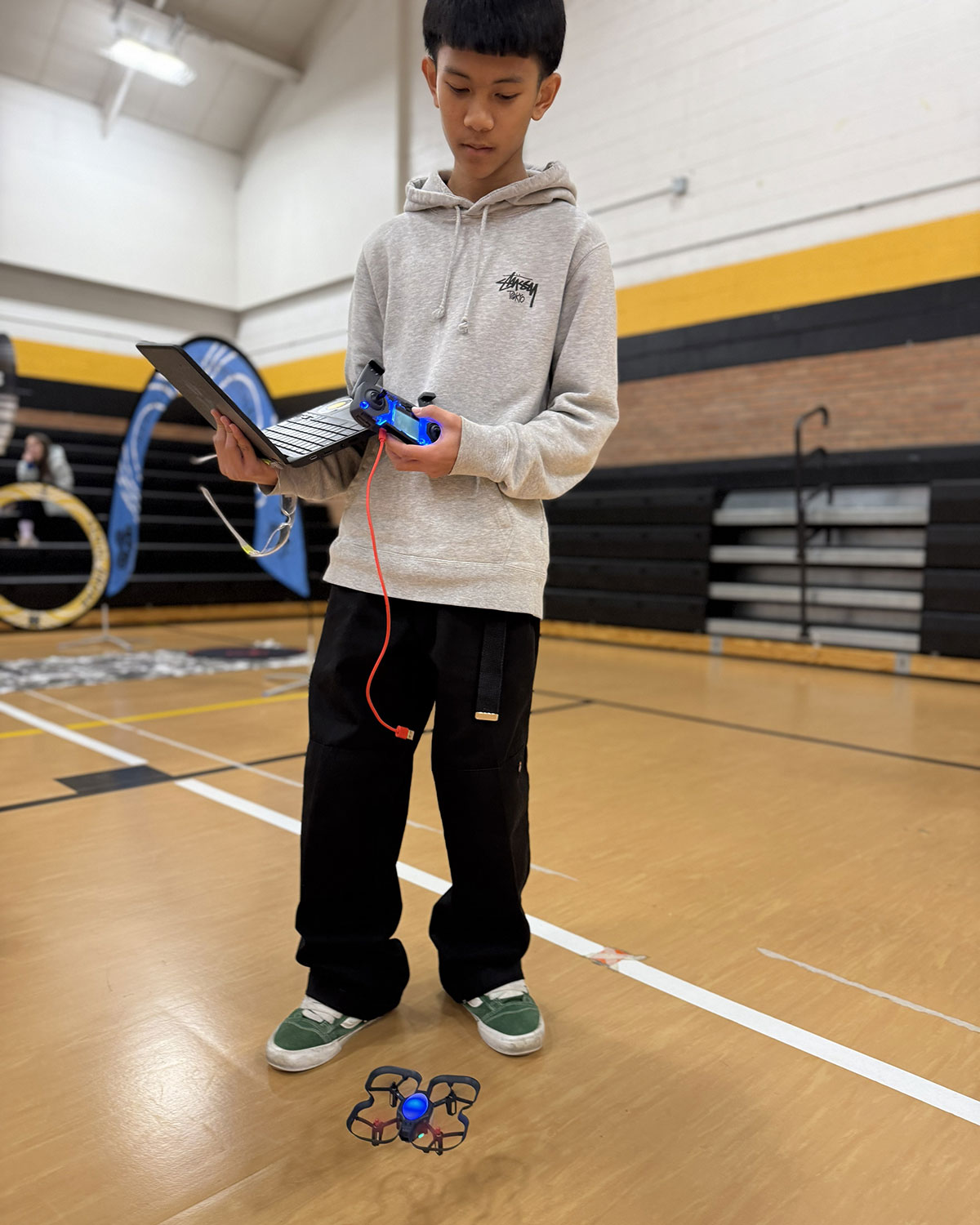
Through partnerships with the City of San Diego, Parks and Recreation, the San Diego Police Department, universities, sports organizations, nonprofits, and local professionals, students have also been exposed to real-world drone careers.
They have met people who use drones in public safety, filmmaking, real estate, sports, and community programs. They have demonstrated their skills at events, talked with local leaders, and answered questions in unscripted settings.
Sarah has seen students’ communication skills improve greatly, especially among English language learners. Interviews, logbooks, outreach events, and public demonstrations give students real reasons to speak, write, listen, work together, and solve problems.
Sarah says these moments are different from classroom presentations because they are real.
Her advice to educators considering the Aerial Drone Competition is simple. “There’s no downside,” Sarah said. “Even the kids that don’t win have a great experience.”
She suggests schools start with one drone, one obstacle, and a small team. When others see the excitement, it’s easier to get more support and resources.
Most importantly, she says, build a team with different strengths. A strong drone team isn’t just about the best flyers. It also needs students who can repair, communicate, organize, promote, document, and lead.
In San Diego, this approach has given students more than just a competition. It has helped them find confidence, new opportunities, and a place where their skills matter.