
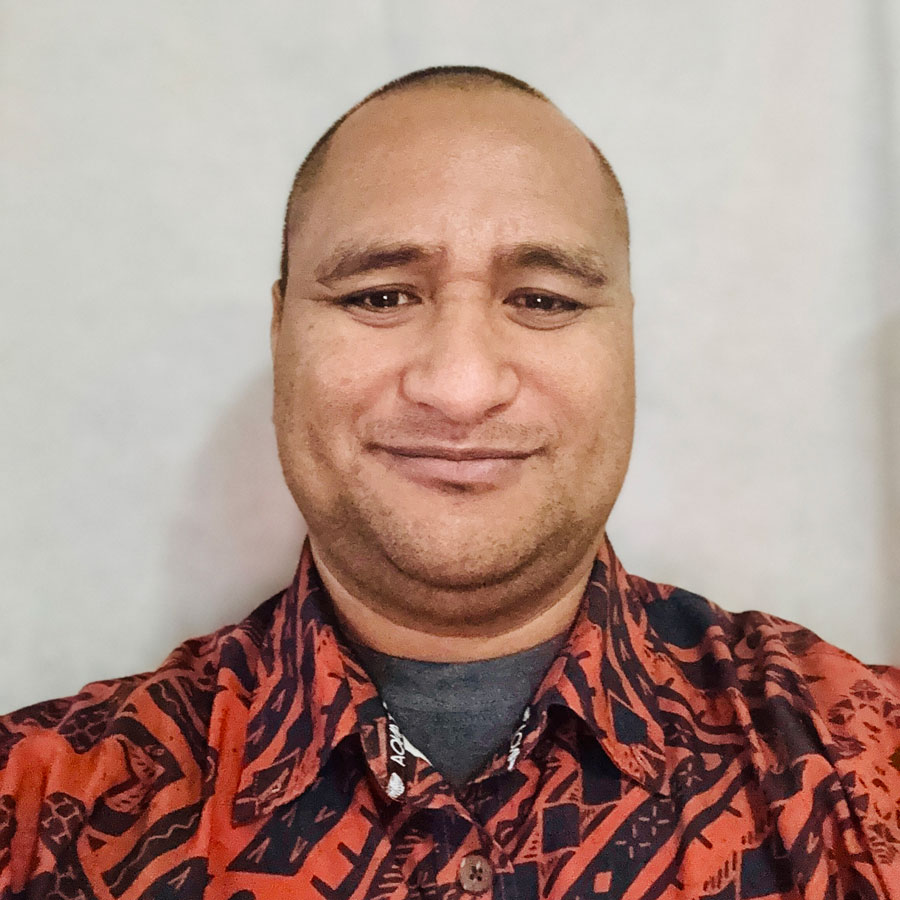
Tony Leatualevao, Program Director of Technology Integration for the American Samoa Department of Education, said that for his students on their remote South Pacific island, joining the RECF’s Aerial Drone Competition was more than just trying something new in STEM. It gave them a chance to imagine possibilities beyond their island and what most had ever experienced.
The program started with the American Samoa Department of Education’s Technology Integration Division, which supports 28 public schools across the territory, 22 elementary and six high schools. After hearing about the competition from RECF and Robolink a few years ago, the team began bringing drones into local schools as part of a larger computer science and coding effort.
“When we saw the demonstrations of the drones, they caught our eyes. This is great for our students here in American Samoa,” Tony said.
Instead of starting with just one coach or school, American Samoa introduced the Aerial Drone Competition to all its public schools at once. The Department of Education aims to give every student access to these opportunities.
This approach was exciting but also complicated. The team managed equipment orders, shipping delays, training, limited space, travel planning, and the challenge of starting something completely new in a remote island community.
In January 2026, American Samoa hosted its first drone competition. The two-day tournament included elementary and high school divisions, with more than 50 teams registered. For many students, it was their first time participating in an organized drone competition.
“It’s the first time for our schools to participate in an actual drone competition,” Tony said.
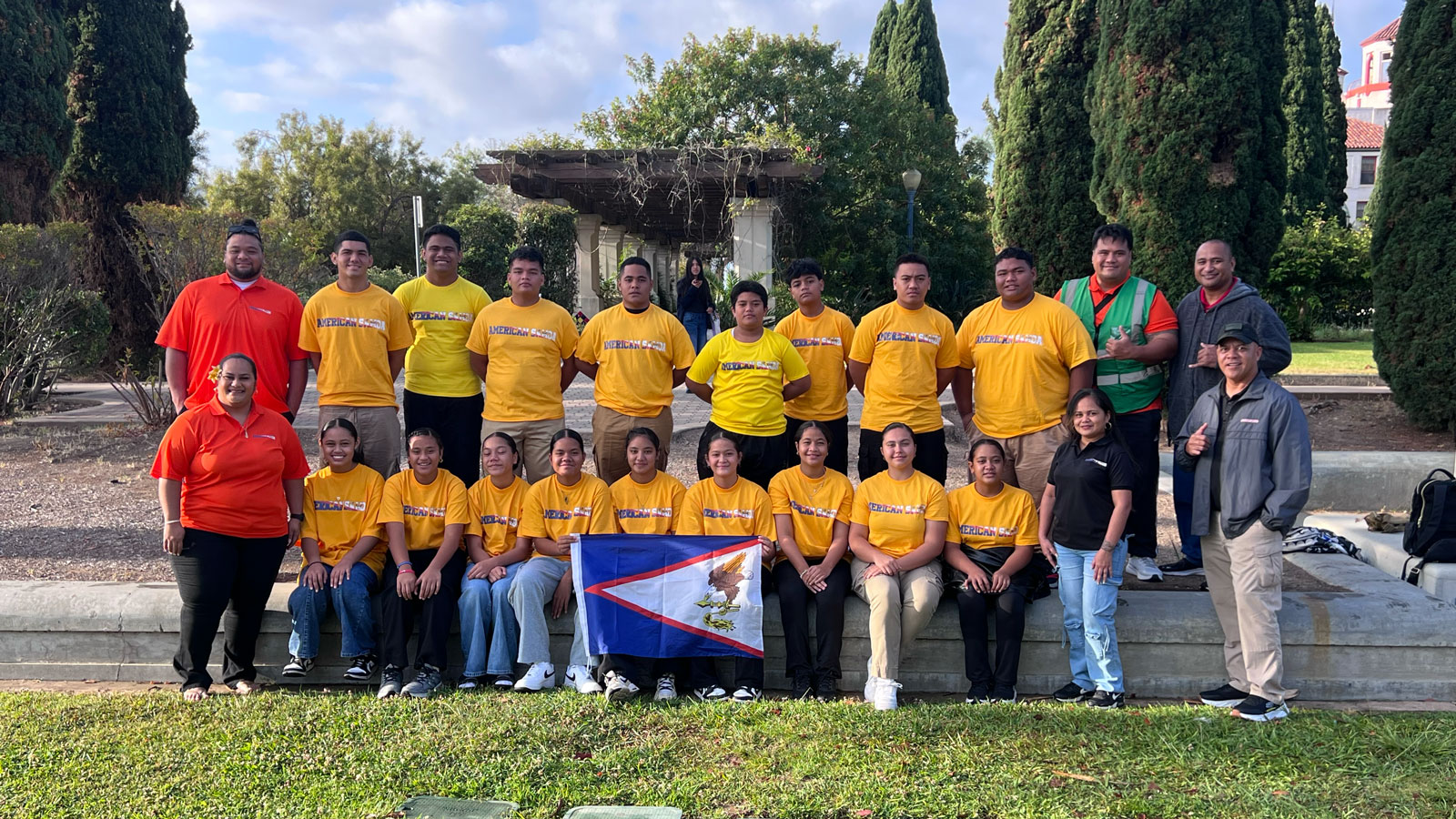
The competition was also an eye-opener. School leaders, teachers, students, and families saw the new possibilities drones could offer. Interest grew fast, and now the Department of Education is working to provide more field kits and game pieces so more schools can join in.
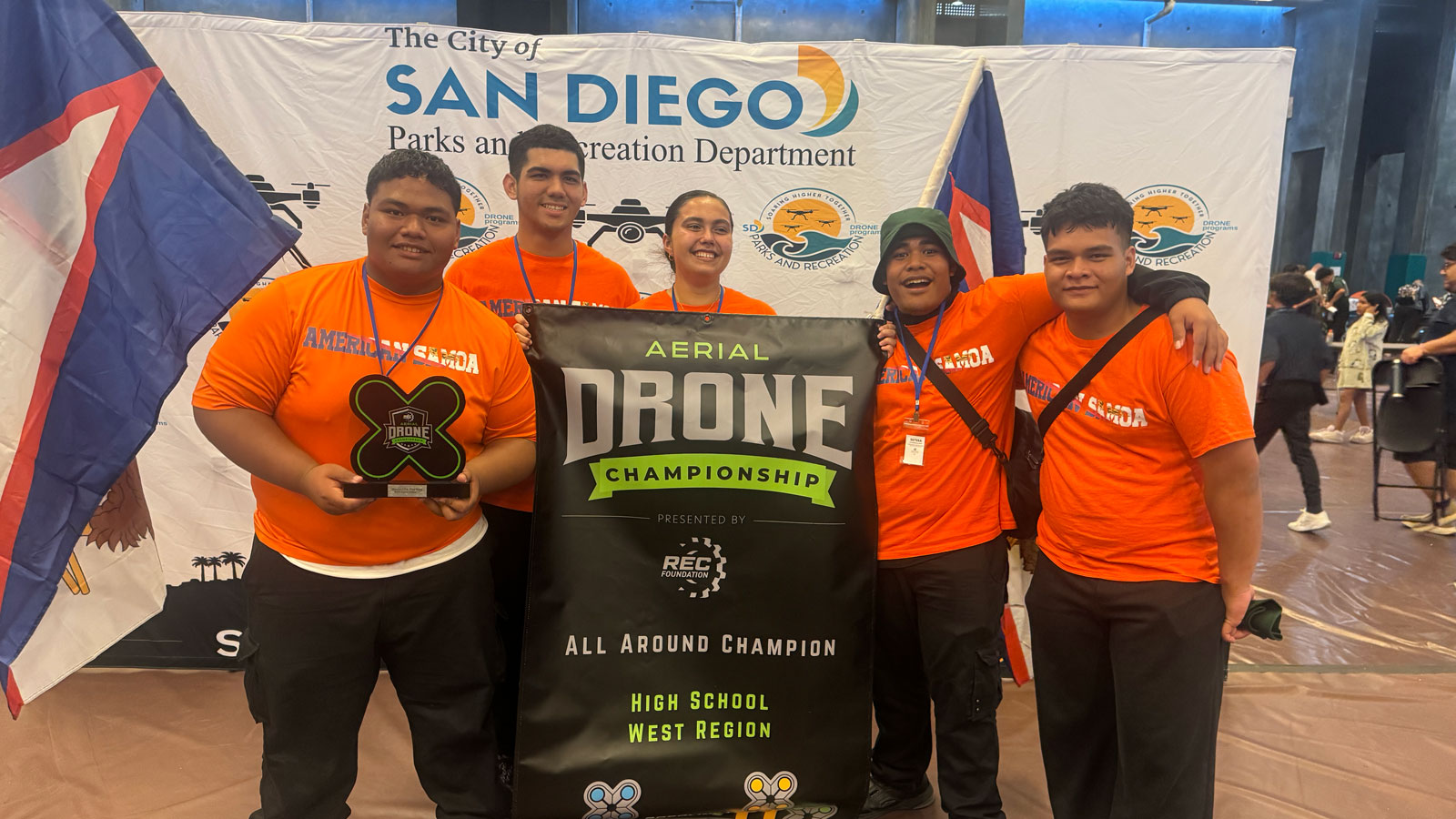
After the local competition, four teams from different schools traveled to San Diego for the West Regional Championship. For students from a remote island, the opportunity to compete on the mainland was significant.
Traveling to the mainland is expensive and uncommon for many students. Our Department of Education helped support the trip, giving students a chance to compete at a higher level and meet teams from other states.
“It’s a big thing, especially for our students,” Tony said. “We hardly have that opportunity to compete at the next level, let alone the national level.”
At the regional competition, students did more than just fly drones. They made friends, connected with other teams, and learned about teamwork in a new setting. One American Samoa team was chosen by a top team to partner during the teamwork rounds and almost made it to the semifinals.
For educators watching in person or from home, these moments proved the program was about much more than just scores.
The impact continued after the students returned. During a summer drone camp, students who had competed in San Diego came back eager to teach others what they had learned.
Judy saw it immediately.
“I saw the level of confidence that they had in sharing their knowledge,” Judy said. “They were so eager to share that knowledge with the kids who are just learning about drones.”
That boost in confidence is one of the program’s biggest successes. Students are learning coding, problem-solving, teamwork, communication, and technical skills. They are also finding out they can lead, teach, compete, and represent their island in new ways.
For the Department of Education, drones are part of a larger goal: ensuring students in American Samoa have access to emerging technology and future career pathways, even from remote locations.